RSF Director General noted that the Foundation maintained its level of support for fundamental research. Last year, RSF funded nearly 9,000 projects. Grant holders continue to demonstrate high publication activity in leading Russian and international journals, with 22,500 publications rising out of RSF-funded research in 2025.
The Russian Science Foundation continued to strengthen its scientific review system. It currently involves approximately 7,000 external reviewers. Dr. Bespalov mentioned key areas for improving the review process including digitalization, leveraging the expertise of the Russian Academy of Sciences, and attention to the opinions of the industrial partners and Russian regions.
In 2025, the total funding including co-funding by regions and industrial partners reached 41 billion rubles. More than 50,000 scientists from 80 regions of Russia participated in the Foundation's projects. More than 70% of RSF-funded researchers were under 40 years old.
With government support, the foundation is developing a support system for technology projects. In 2025, the foundation funded 145 applied projects. The planned outcome is new technologies at the prototype stage, created for the benefit of industrial partners.
The Foundation has been working closely with Russian government in applied research since 2023. Its first focus was a joint program with the Ministry of Industry and Trade to support projects in microelectronics. This resulted in 94 projects receiving 6.8 billion rubles in funding. Funding for those projects has already been allocated for the next three years.
It is important that all projects are aimed at solving specific problems for domestic enterprises and are designed to expand their product lines using domestic materials, chemicals, and other key technologies for these enterprises.
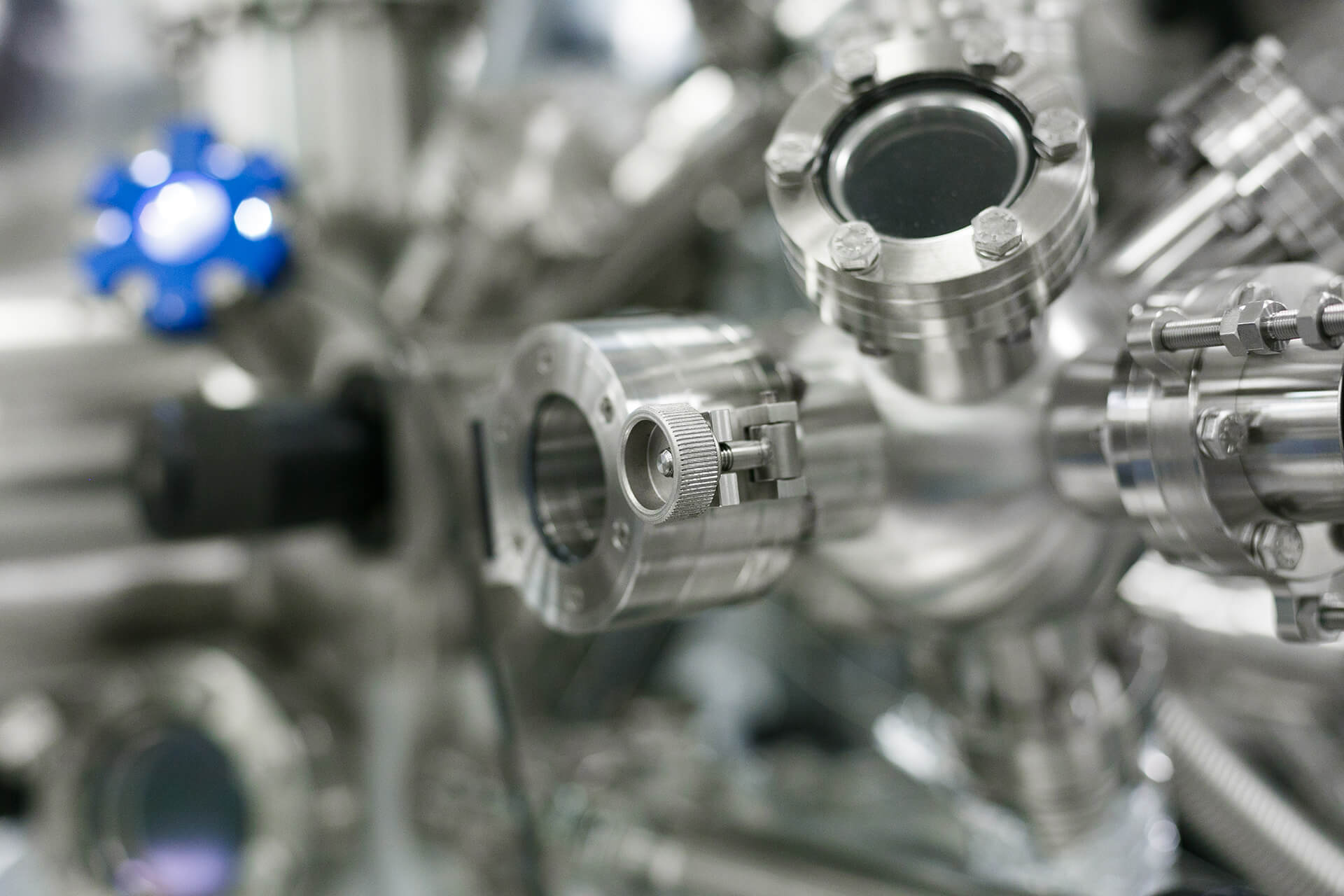
Project prioritization takes into account comprehensive electronics development programs approved by the government. Specifically, the RSF supported 20 projects in photonics. Technologies, materials, components, and equipment were developed. The Foundation has contributed to the development of domestic photonic device technology, such as transceivers, based on domestic electronic components.
Similar approaches will be addressing complex challenges in microelectronics, such as the development of electronic engineering facilities for lithography, electron lithography, and photolithography, which require a large number of partners. Most importantly, these initiatives will lead to domestic production of components for these machines.
In 2025, the Russian Science Foundation contributed to the government projects "New Materials and Chemistry," "Production Tools and Automation," and "Industrial Support for Transport Mobility." Funding was provided to 26 projects, implemented for large enterprises such as KAMAZ, Sibur, Taneko, and others.
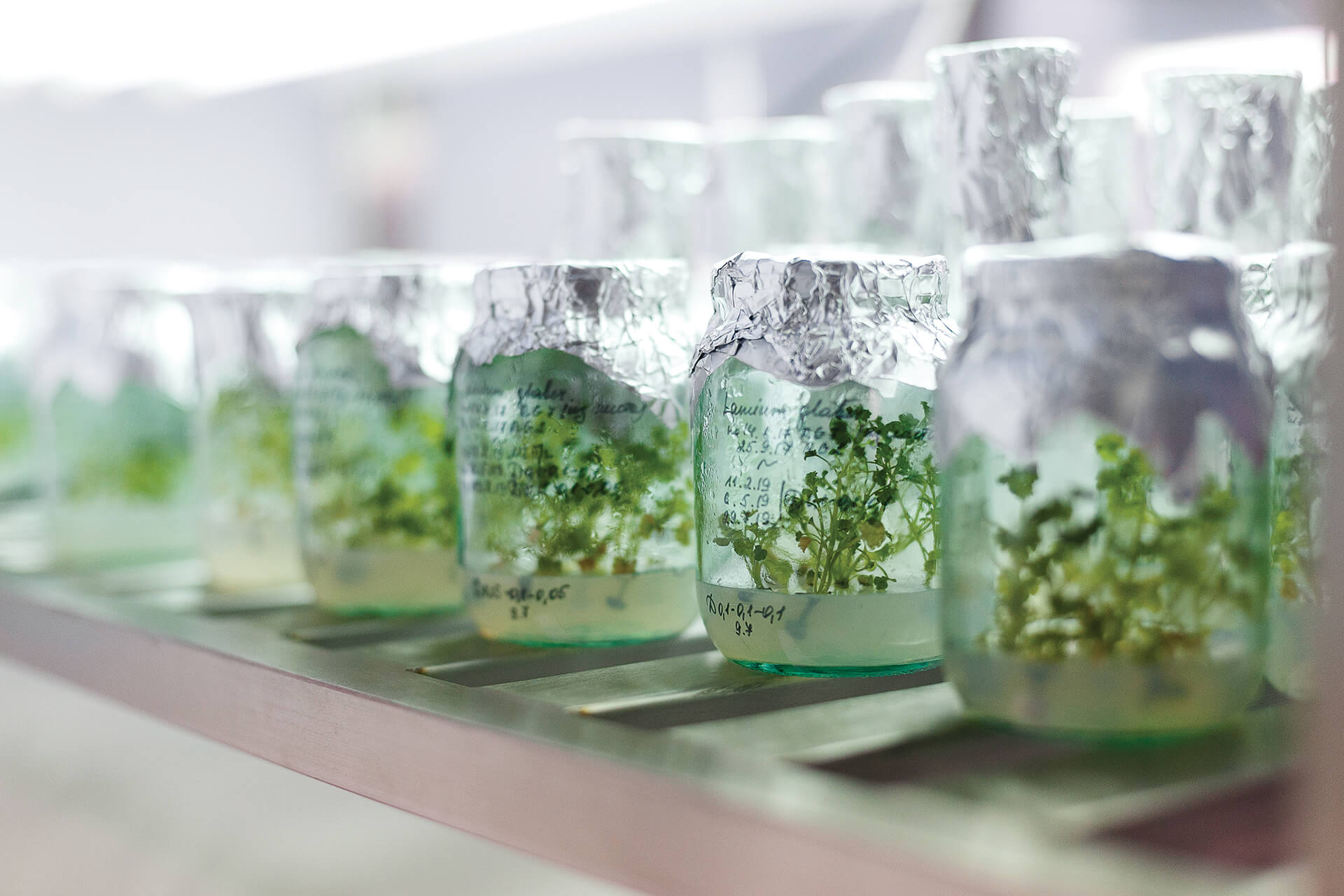
This year, work on applied research in the fields of bioeconomics and medical equipment was initiated. Over the past six years, the foundation has supported over 800 bioeconomics projects in basic research, providing a solid foundation for continuing this work in applied research.
Another important task for the RSF is engaging regional entities in practical technological applications. The Foundation holds competitions for qualified regional customers in technological areas determined by the regions themselves. Interest in such projects is quite high. Twelve regions have already expressed their desire to participate in these funding programs in 2026. The amount allocated by the regions for this participation is 600 million rubles.
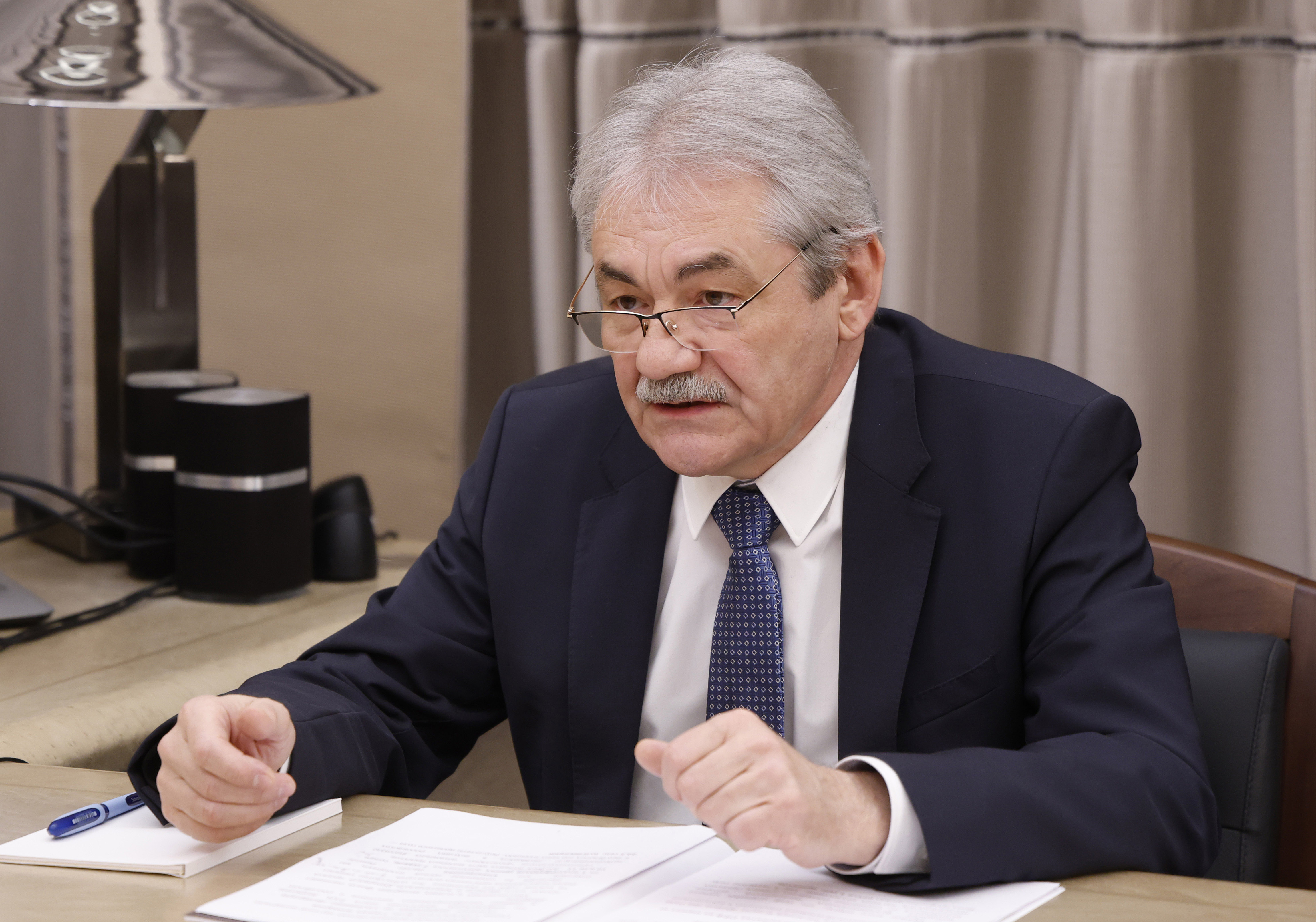
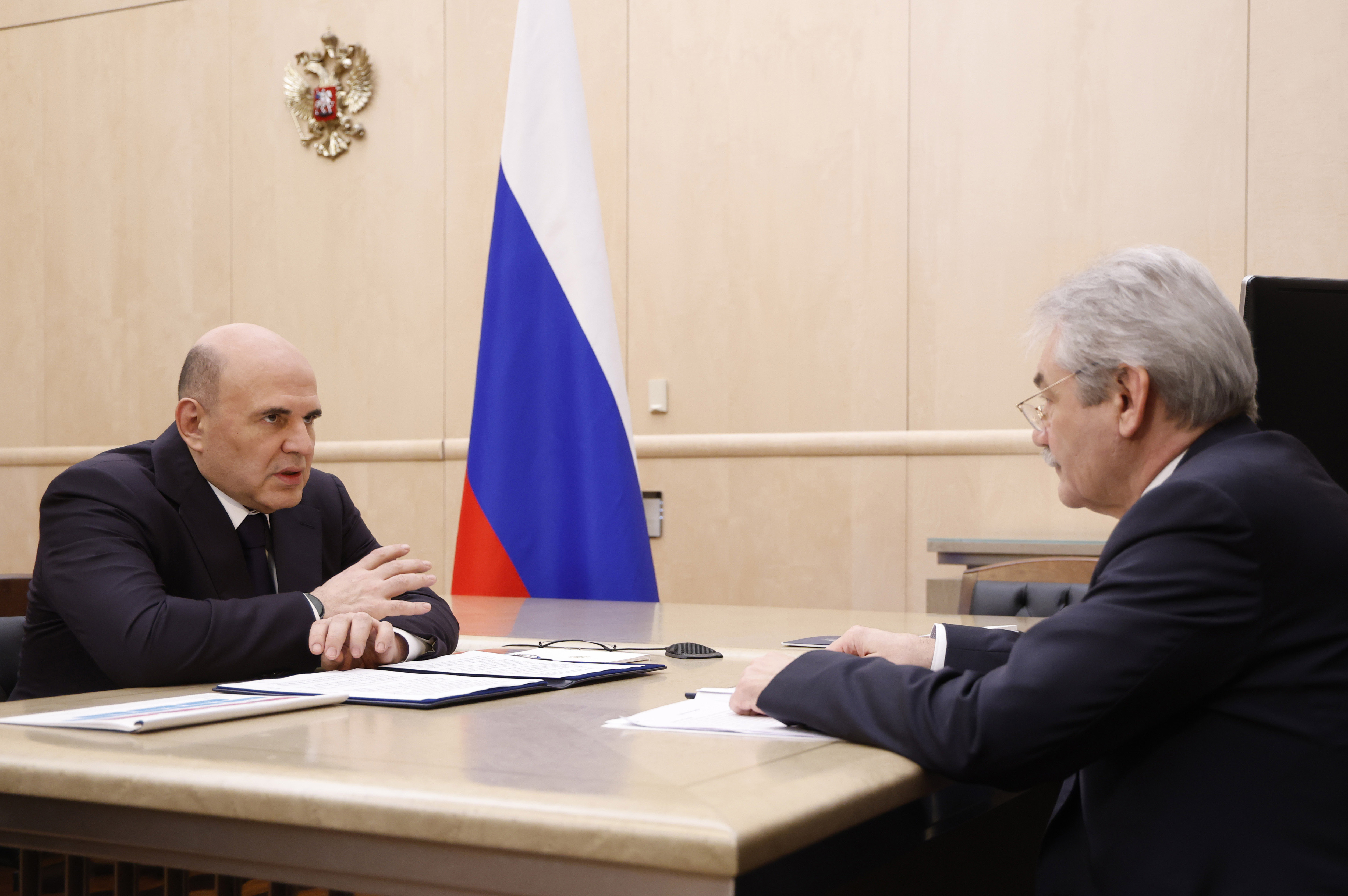
Vladimir Bespalov, RSF Director General. Photo by Press Service of the Russian Government
RSF will continue its technological initiatives through better involvement in large government projects, increase in the number of partners in industry and, of course, more active participation of the regions.
Concerning support for early-career scientists, over the past two years, RSF has been systematically increasing its support for youth research projects. In 2025, it reached 6.5 billion rubles, and there are plans to increase funding in the future. By 2028, this amount is expected to reach 8.2 billion rubles.
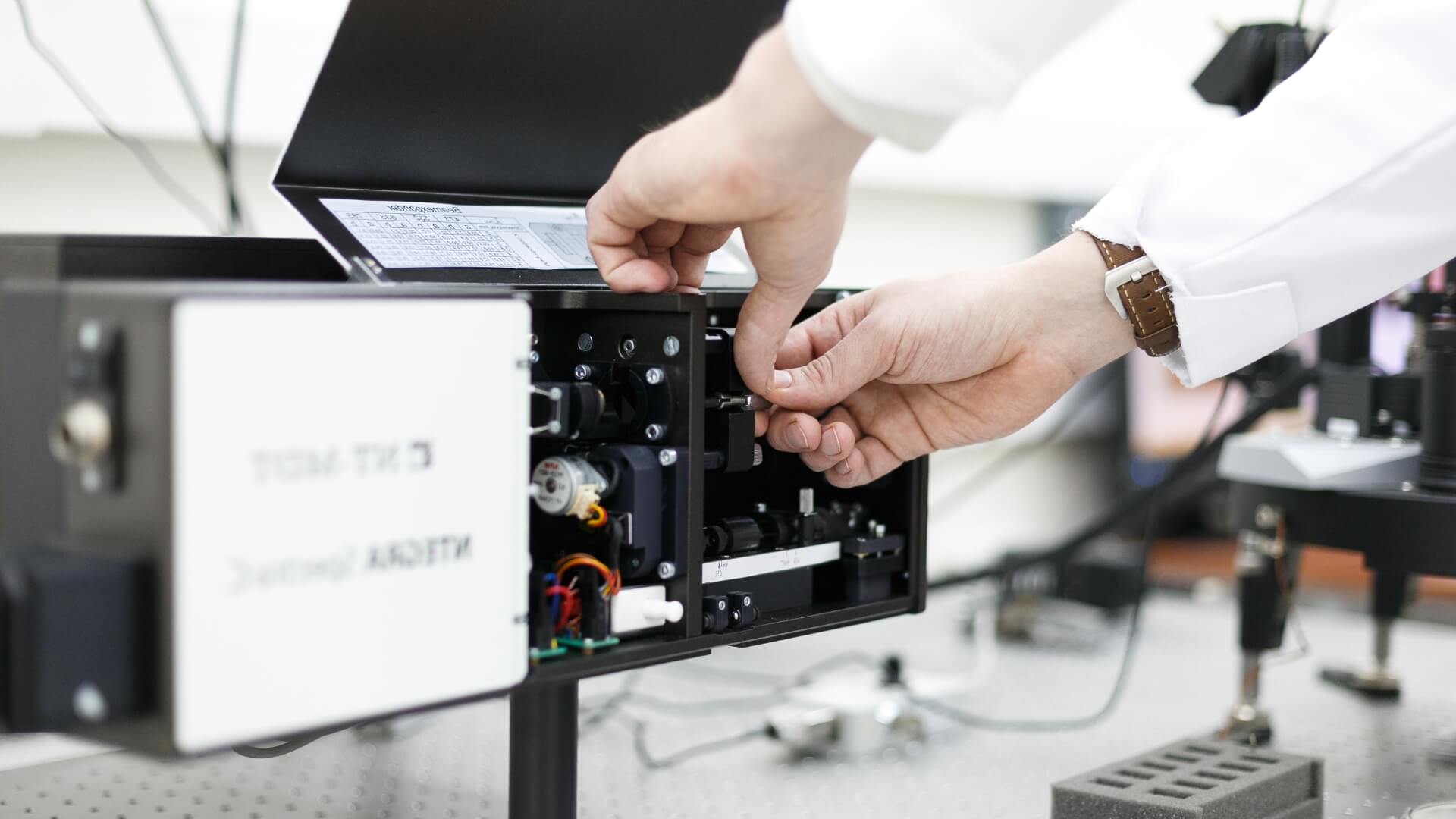
A separate track of youth support is new programs for young researchers' projects implemented at enterprises.

