The research, supported by the Russian Science Foundation (RSF), was published in the Journal of Advanced Ceramics
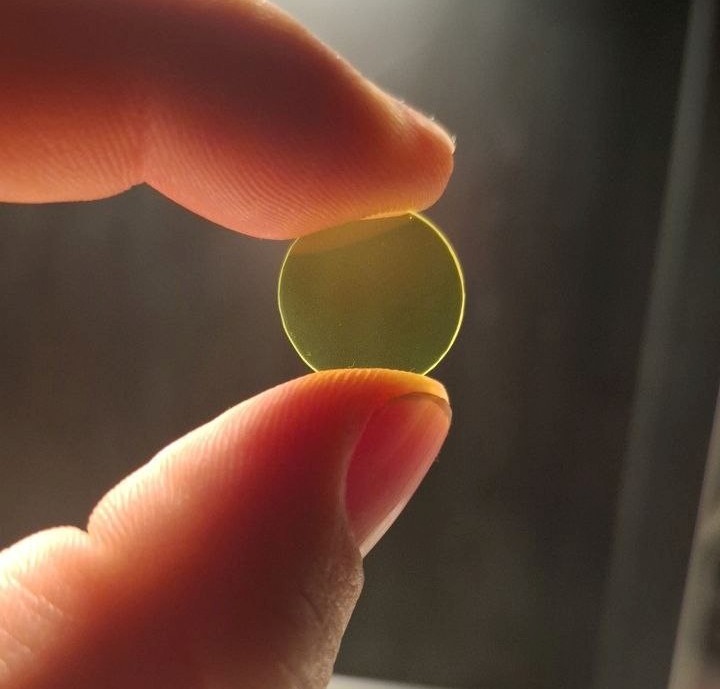
Russian scientists together with colleagues from China have created a ceramic composite for high-power laser light sources. The material provides illumination close to natural sunlight, is resistant to overheating and can be used in space devices where heat removal is difficult.
Specialists from the Far Eastern Federal University, the Institute of Automation and Control Processes of the Far Eastern Branch of the Russian Academy of Sciences, the Siberian Ring Photon Source Center (Koltsovo) and the Shanghai Institute of Ceramics of the Chinese Academy of Sciences participated in the development. The scientific work was also supported by a grant from the Russian Science Foundation.
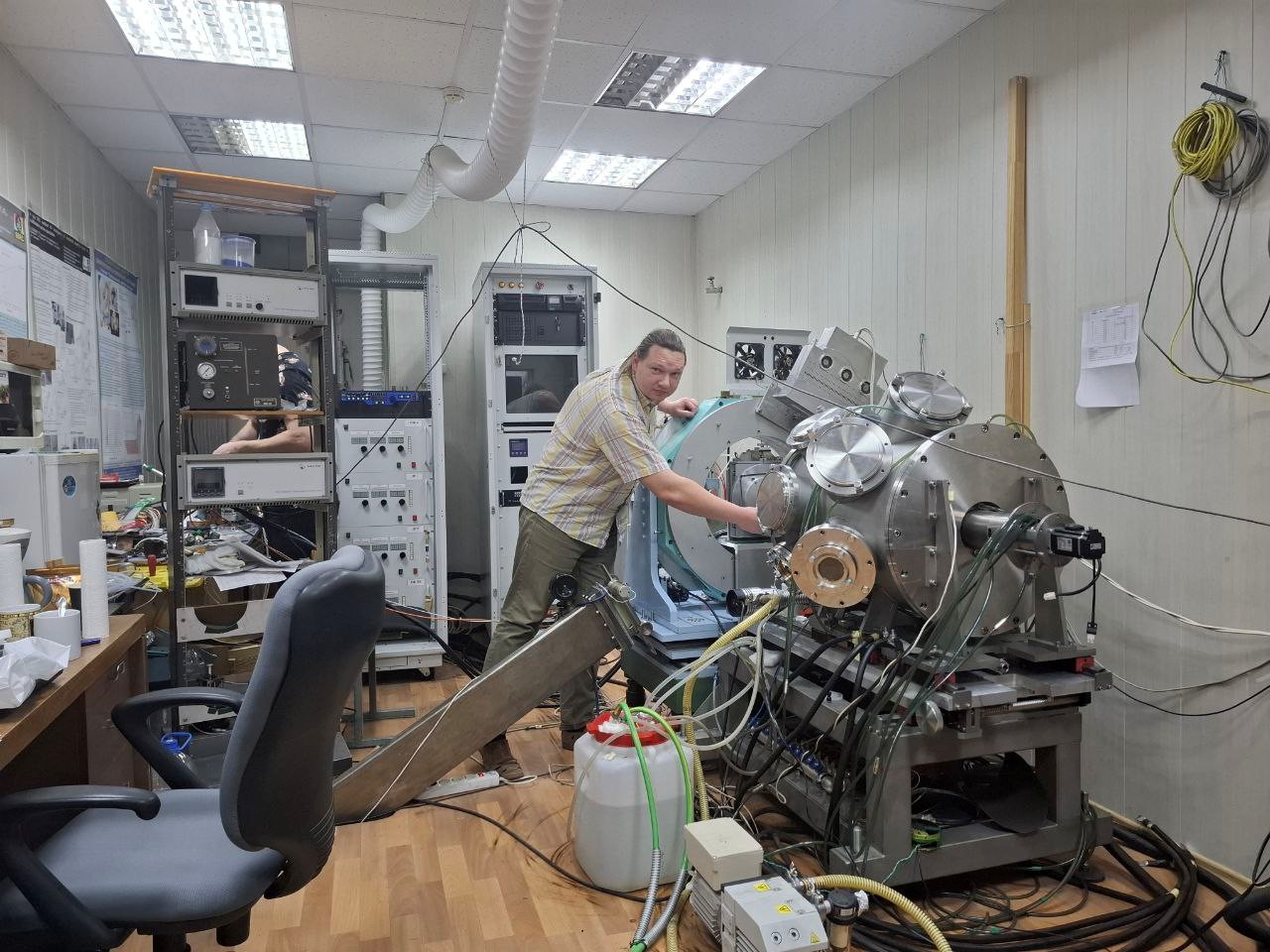
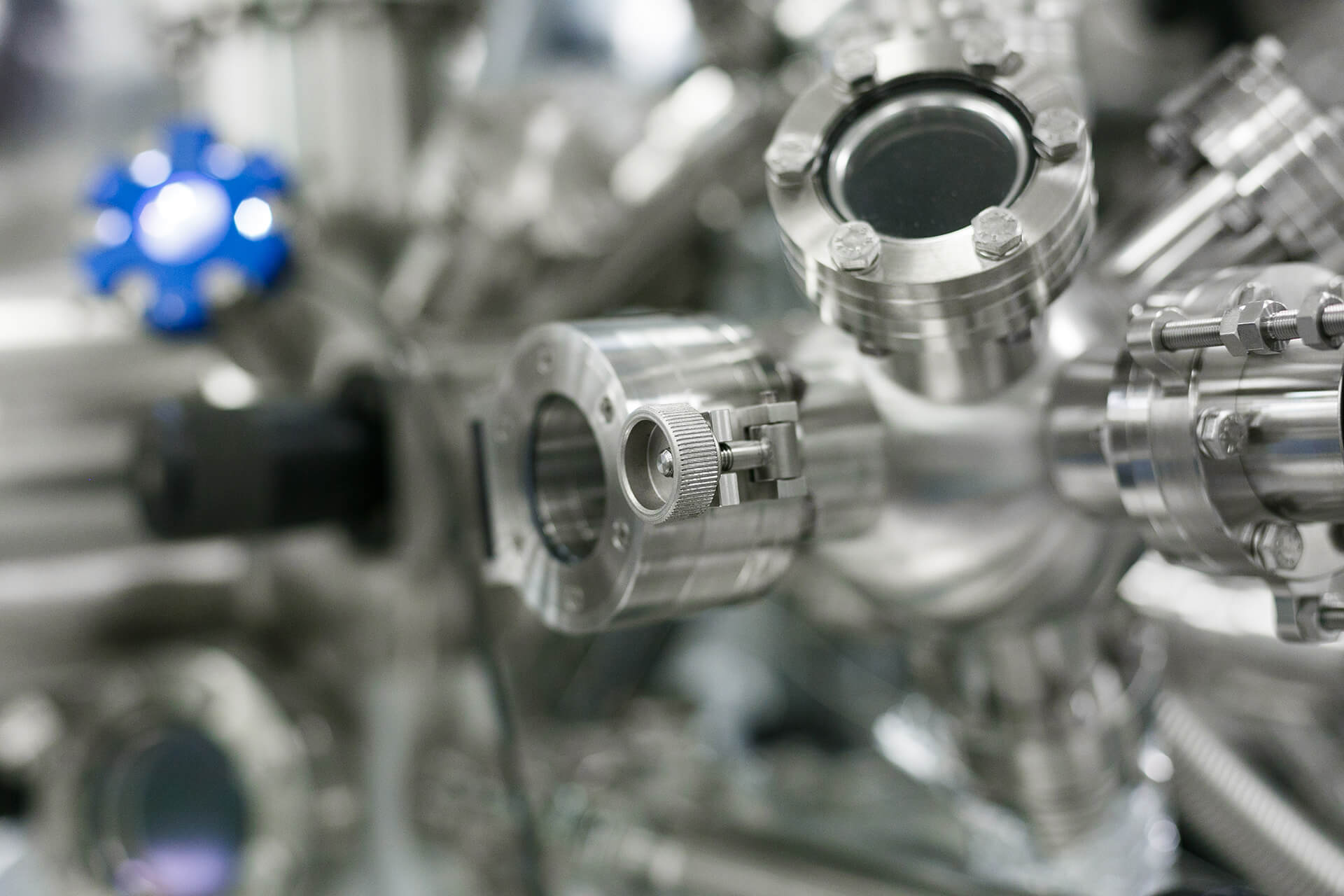
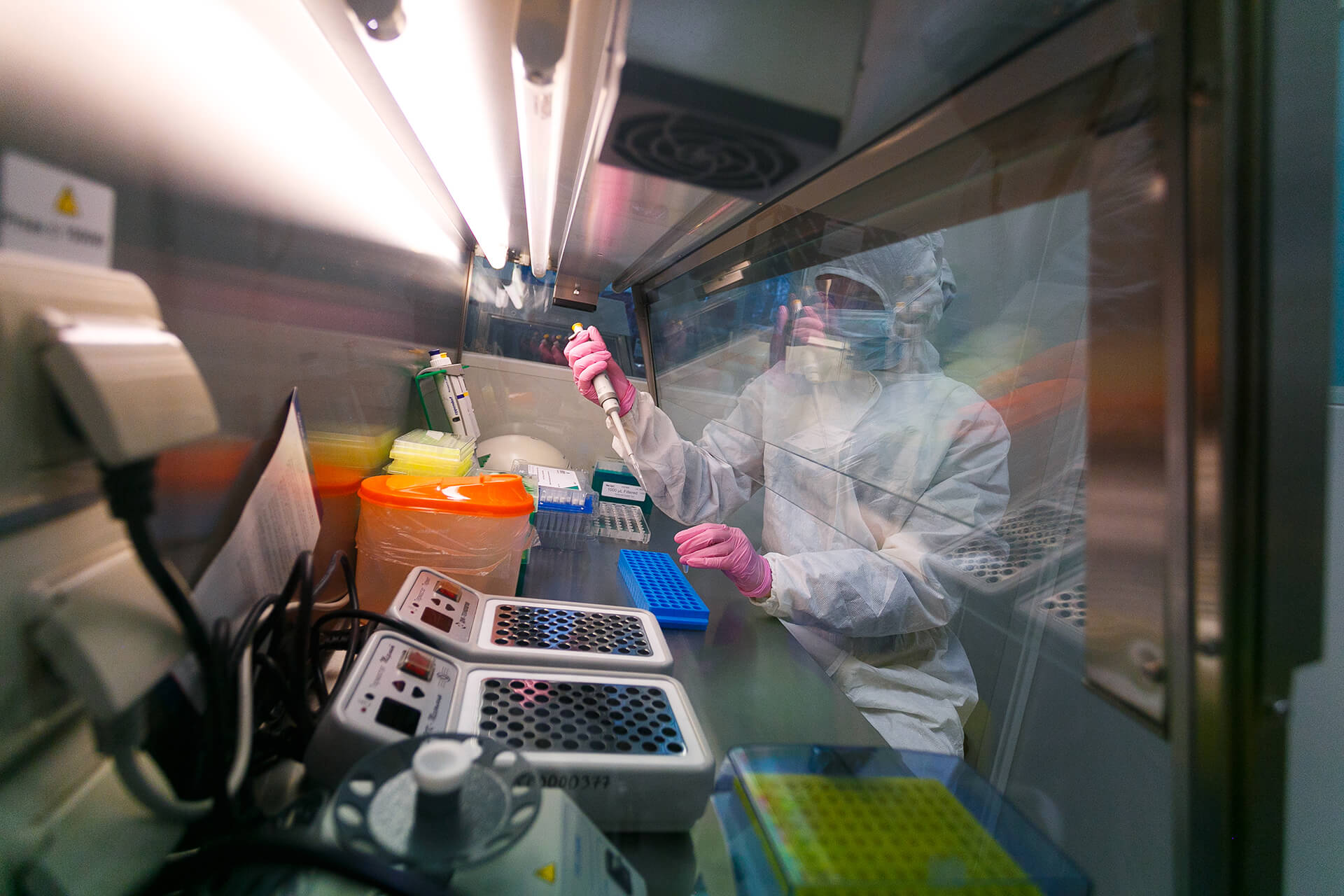
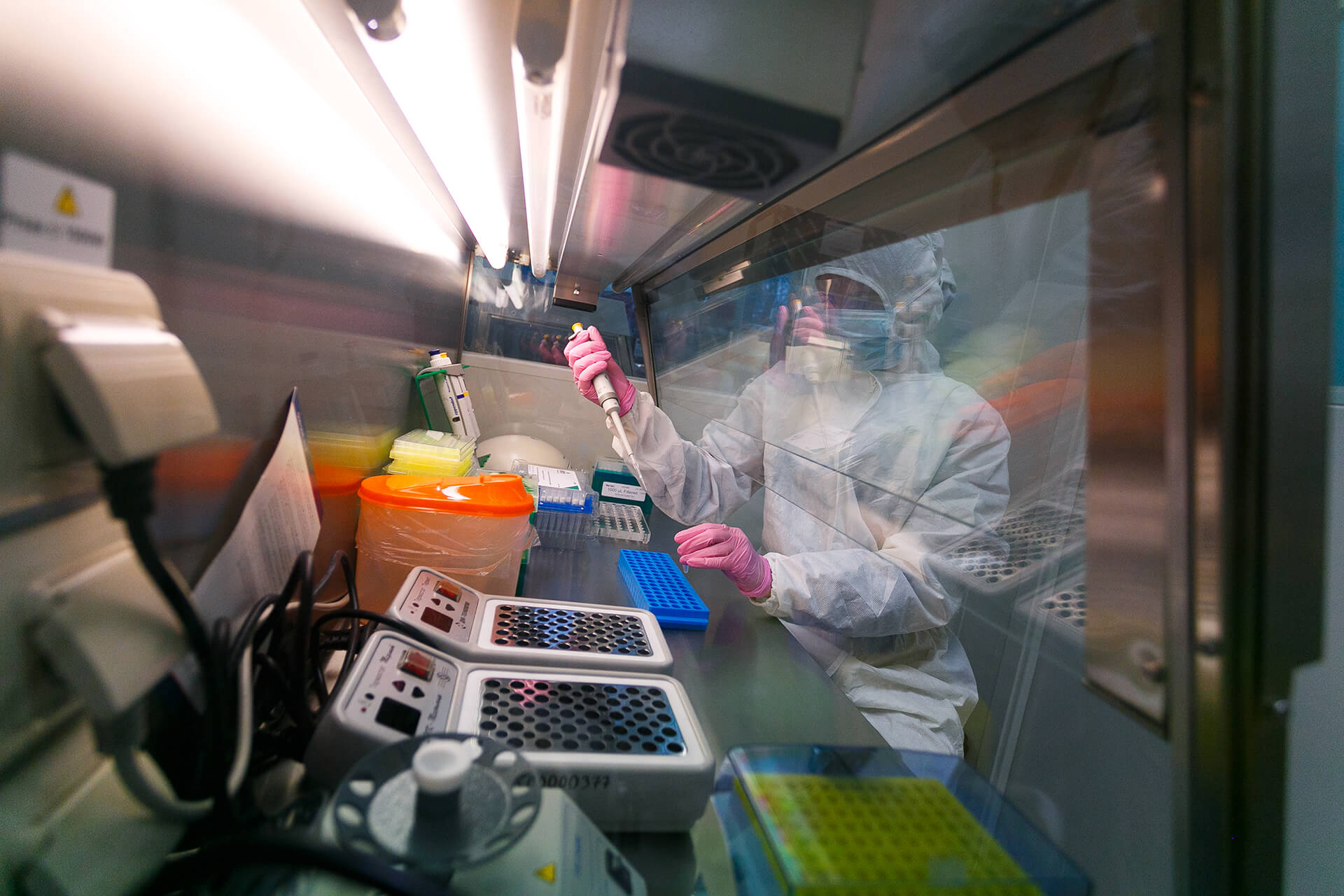
The room of the Precision Diffractometry-2 station in channel 6 of the VEPP-3 storage ring, where the research was conducted. Source: Alexey Zavyalov / From personal archive
— We strive to create a domestic technology for manufacturing color converters with adjustable optical and thermal characteristics for compact, energy-efficient and high-power laser lighting sources. In the future, we plan to move on to designing high—power laser lighting sources," Denis Kosyanov, project manager and director of the Advanced Ceramic Materials Research Center at the Polytechnic Institute of the Far Eastern Federal University, told Izvestia.
According to him, laser lighting has advantages over LED lighting: its efficiency almost does not decrease with increasing current strength, and the brightness is much higher. This makes such solutions promising for tasks where powerful and stable light is required.
The development can be used, for example, to create a new generation of car headlights. They will be able to shine brighter and further, while remaining safe for oncoming drivers due to a more natural spectrum.
— Phosphors available today are highly overheated by laser excitation. This leads to a decrease in brightness and rapid destruction of the material. The new composite can withstand high thermal loads and maintains the stability of the glow during long—term operation," said Denis Kosyanov.
Such characteristics are especially important for space technology. In a vacuum, it is impossible to cool due to convection, so the key is to use materials that are resistant to heat.
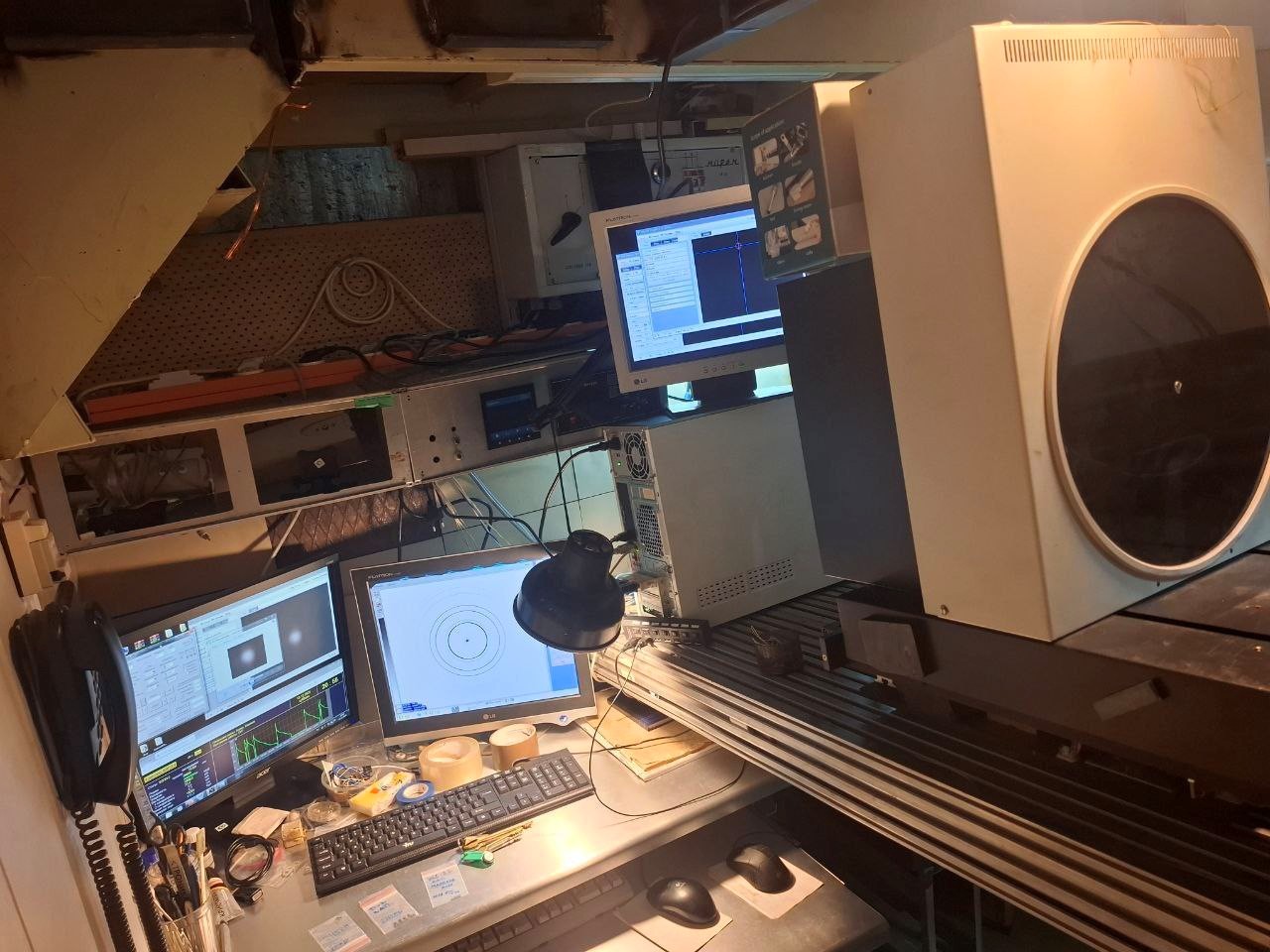
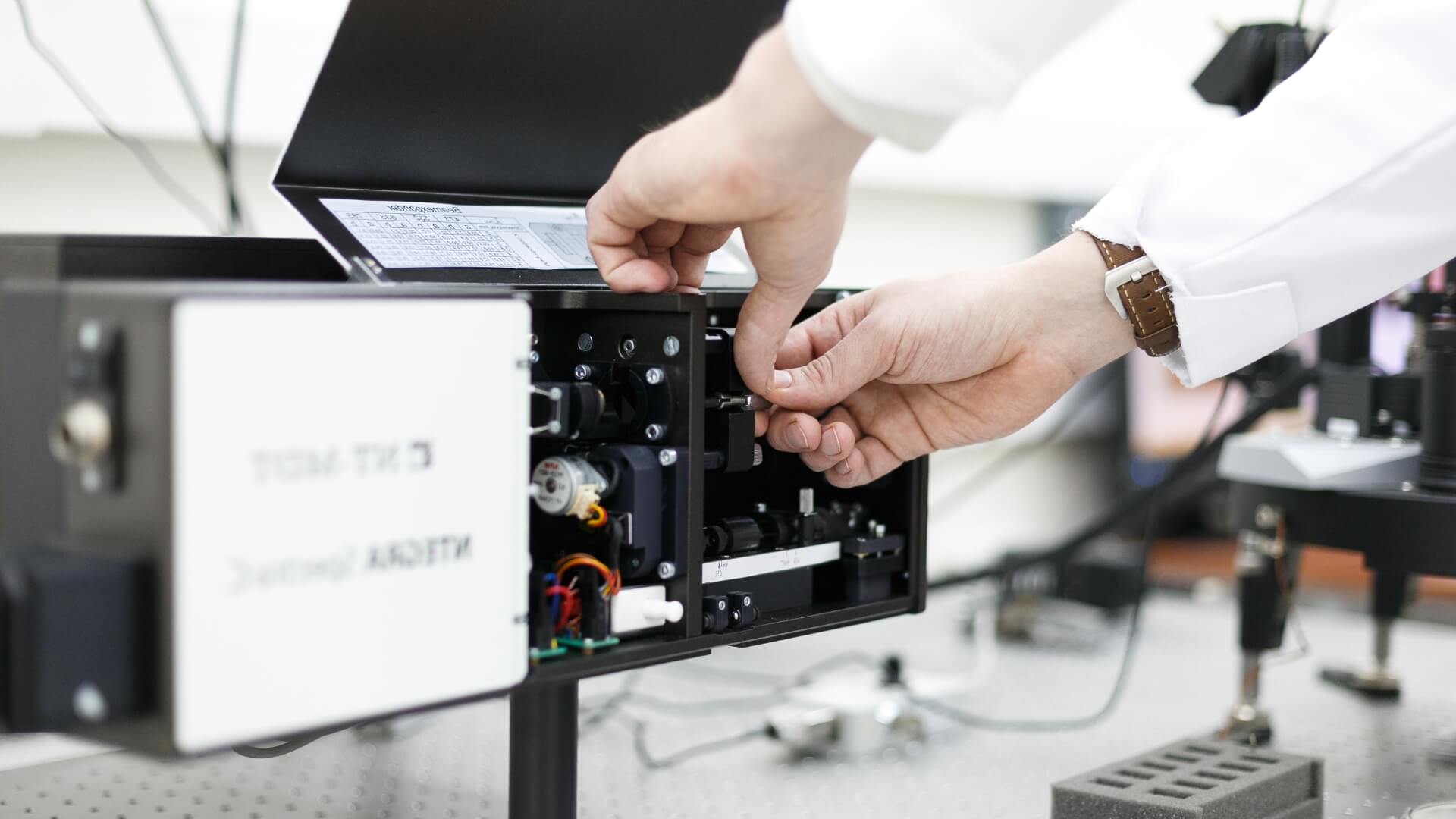
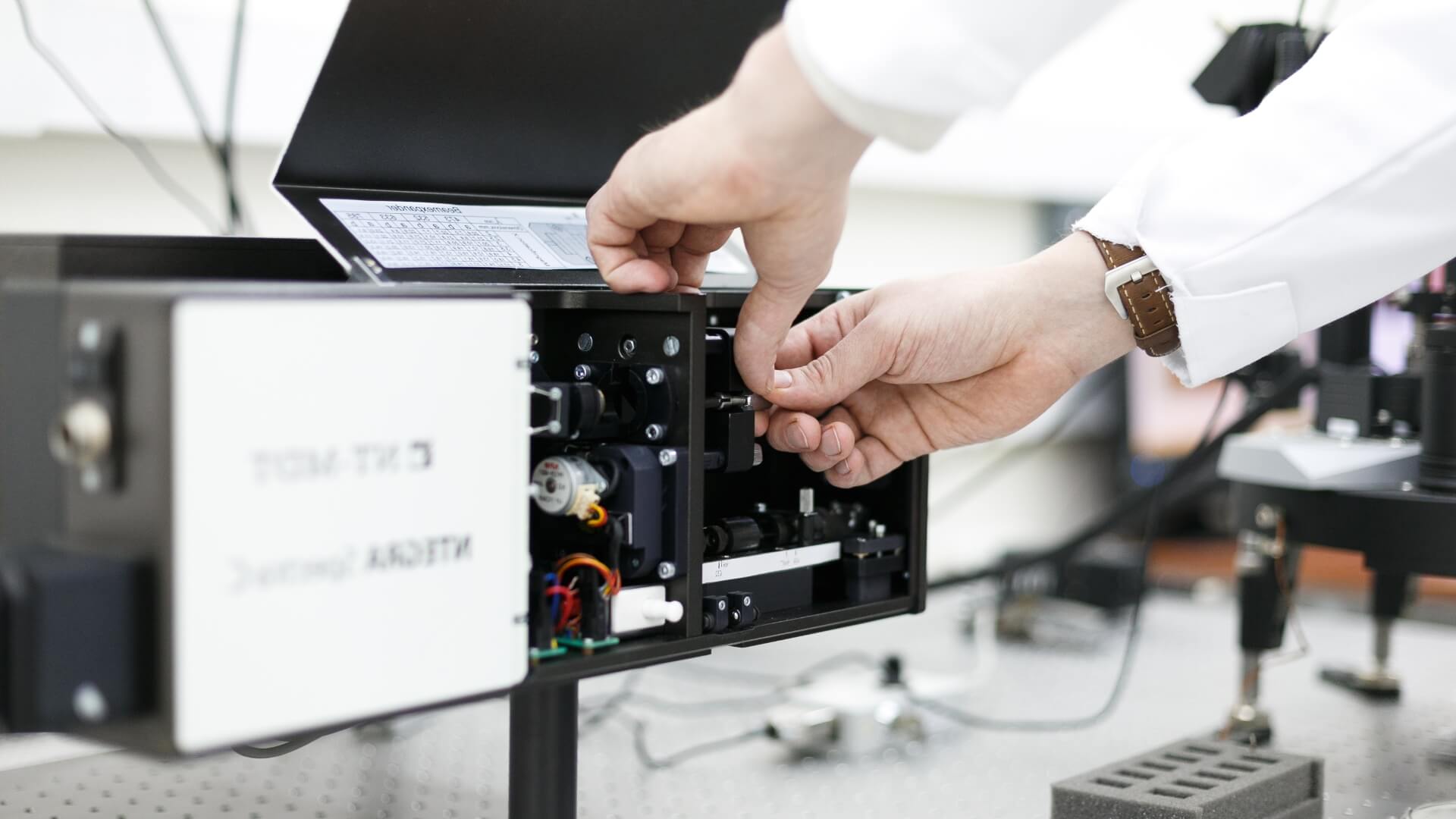
The workstation of station operator and author of the study "High-Pressure Diffractometry" Alexey Zavyalov, in channel 4 of the VEPP-3 storage ring. Source: Alexey Zavyalov / From personal archive
It is assumed that "laser headlights" will be able to help land vehicles on the surface of the Moon and other celestial bodies due to more natural illumination of the terrain. This can facilitate visual assessment of the surface by both pilots and remote control operators.
— The transition to inorganic ceramics for high—power LEDs and lasers is a global trend. Here we managed to solve the problem of thermal extinguishing and degradation at high power. The two—phase structure of the material effectively dissipates heat," commented Maxim Malokeev, Associate Professor of the Basic Department of Solid State Physics and Nanotechnology at SibFU.
According to him, when implemented in automotive high-beam systems, the development will increase driving safety in difficult conditions. Powerful searchlights capable of operating in extreme conditions are also needed for aircraft and underwater vehicles. In particular, underwater they will allow you to get natural color reproduction — without distortion and a greenish tint. Such sources are also important in search and rescue operations.
Another area of application is large—diagonal laser TVs and projectors. Such devices require powerful, stable, and long-lasting white light sources that maintain brightness throughout their entire service life.
At the same time, Maxim Malokeev noted, high demands on color rendering are placed in medicine, where the success of an operation often depends on the quality of lighting. The doctor must distinguish the shades of tissues in order to detect pathologies and avoid damage to healthy areas.
— In space, the main source of light remains the Sun. When docking in the shade, infrared systems are usually used. When landing on the moon, even powerful light sources do not solve the problem of estimating altitude and speed — sensors are more important here," said Andrey Novikov, a leading engineer at the NTI Center for Digital Materials Science: New Materials and Substances at the Bauman Moscow State Technical University.
Nevertheless, he added, such lighting systems can be useful for assessing the terrain of the landing site and working on the surface, for example, in the shadow of craters or during a long moonlit night.


