



Scientists at St. Petersburg State University have refined the description of tardigrades that secondarily adapted to sea life. The zoologists were able to prove the existence of two species of these organisms in the White, Barents, Kara, and Laptev Seas, while also casting doubt on the recognition of three other species within this family.
Tardigrades belong to a group of marine meiobenthic organisms — small creatures that live near the seabed. They resemble arthropods but do not belong to that phylum. According to the researchers, tardigrades live wherever there is water. They can also survive on land, for example, tiny pockets of water found in the leaf axils of mosses. Currently, around 1,500 species of tardigrades are known, and researchers believe this is only the beginning, as molecular research methods have already revealed a large number of new species.
One distinctive feature of tardigrades is their ability to dry out along with moss. In this dehydrated state, they exhibit extreme tolerance to temperature, radiation, and other environmental influences. These invertebrates are capable of surviving in the harshest conditions. In 2007, for example, they were exposed to open space and, upon returning to Earth, were even able to produce offspring. This remarkable ability has attracted the attention of scientists who wish to discover whether such resilience can be genetically transferred to other living beings.
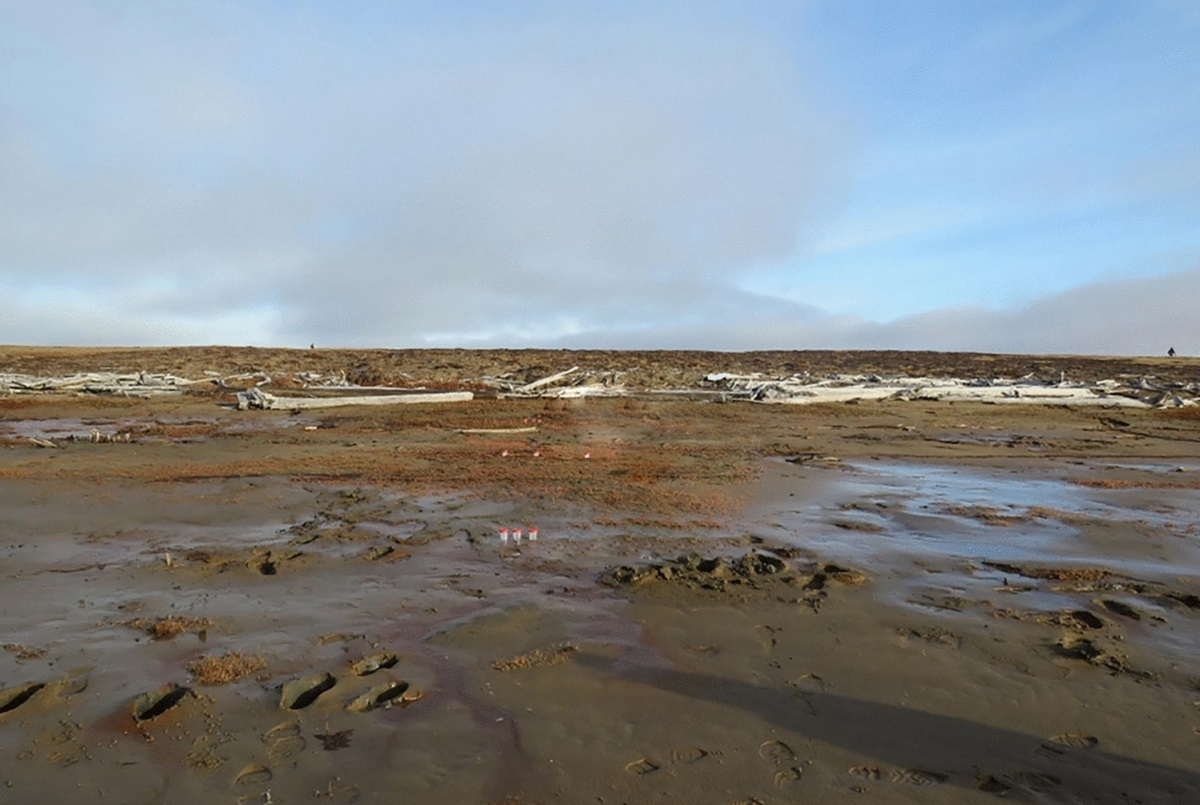
Source: Polar Biology
Despite their wide distribution, data on the species composition of tardigrades in Russia’s seas had been limited. According to the scientists, this is due to outdated and not always correct descriptions of some species of these organisms made in the last century based solely on external morphological features. The family Halobiotidae is a prime example of such a group. These tardigrades are secondarily adapted to live in a marine environment, that means that they moved from salt water to fresh water, but later returned to the sea. Currently, according to various sources, this family includes from three to five species.
To determine the correct number of species, SPbU zoologists examined tardigrades found in the seas of Russia and compared them with descriptions from the last century. Following this modern revision, the scientists have cast doubt on the existence of some species. The researchers explained that their colleagues had previously described two species of tardigrades: one with a ‘bumpy’ exterior and one with a ‘smooth’ exterior. However, the researchers now believe that in the earlier studies the structure simply could not be seen, and that these are, in fact, the same species — bumpy tardigrade.
Earlier, SPbU researchers succeeded in proving the hypothesis that tardigrades exist in Africa as well. They analysed a juvenile tardigrade specimen from the Seychelles and, using molecular data, determined that it belongs to a widespread tropical species with its nearest relatives found in Southeast Asia.
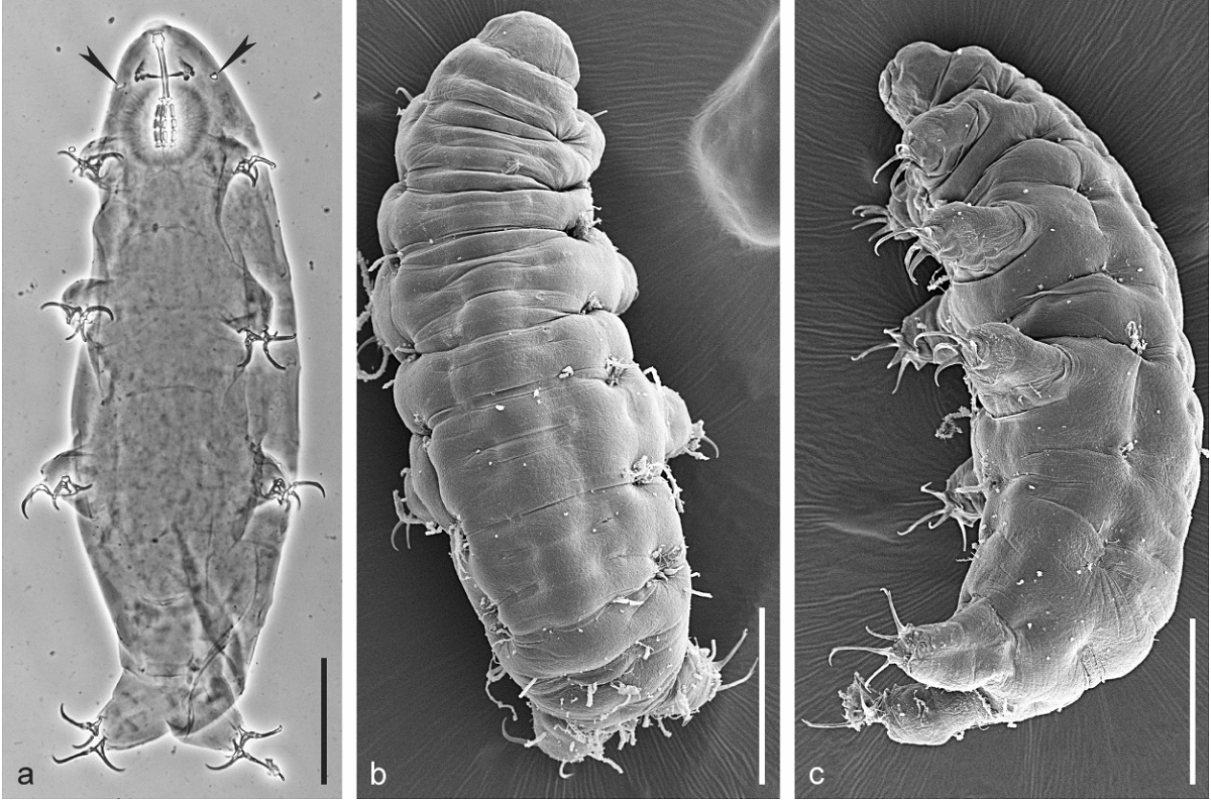
SPbU zoologists successfully established the existence of two distinct species in Russian Arctic seas. These include Halobiotus crispae, which inhabits the White Sea and potentially can be found in the Barents Sea, and Halobiotus arcturulius, found in the Kara and Laptev Seas.
Scientists prepared microscope slides from tardigrades collected from marine algae. Using optical microscopy, they performed morphometry on the slides — the study of organisms’ external characteristics through measuring the lengths of body parts. Approximately 35 measurements were taken for each tardigrade. These morphometric features allowed the scientists to reliably distinguish between the two species.
‘We have clearly described how these species differ. The genetic distinctions between them are well defined. We have also described the differences in their external morphology. This will help other scientists determine which tardigrade species they are dealing with without having to conduct molecular analysis,’ said Denis Tumanov, Senior Lecturer at the Department of Invertebrate Zoology at SPbU.
The scientists also studied minute details of these microscopic organisms using electron microscopy and extracted the tardigrades’ DNA.
Looking ahead, SPbU zoologists plan to carry out molecular research of tardigrades found in the Baltic Sea. Moreover, the scientists believe it is important to study the role these organisms play in ecosystems, as large tardigrade populations may indicate their significance to the environment.
The results of the study, supported by a grant from the Russian Science Foundation, have been published in the scientific journal Polar Biology.